
A wedding band may look simple when it reaches your hand, but creating one involves much more than shaping a piece of metal. Understanding how wedding bands are made reveals the careful decisions, precise craftsmanship, and finishing work behind the ring you’ll wear every day.
From establishing the right proportions to refining the smallest details, each stage plays a role in how a wedding band looks, feels, and wears.
It Starts With the Right Proportions
Before the finishing details are added, the basic form of the wedding band needs to be established.
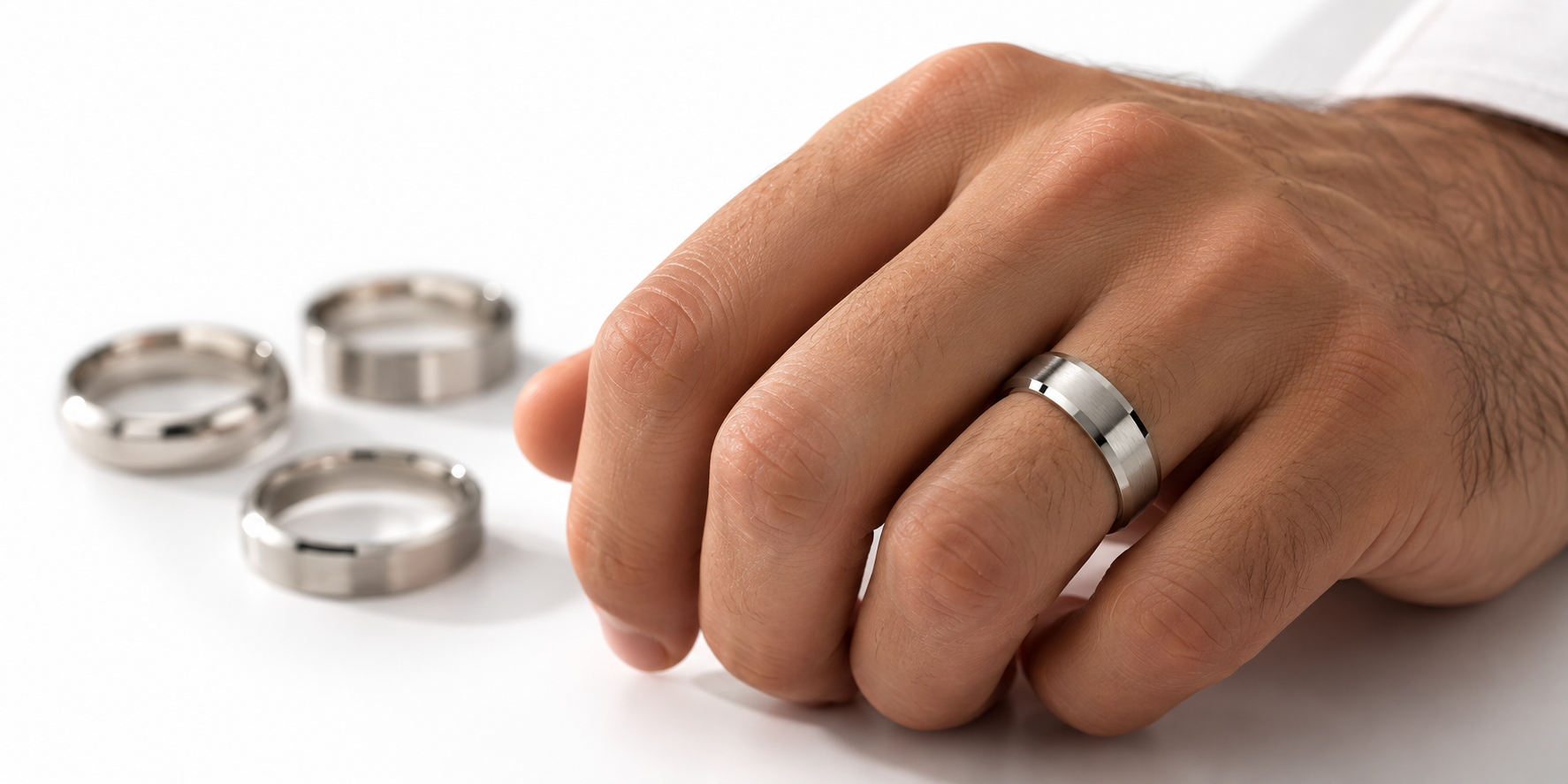
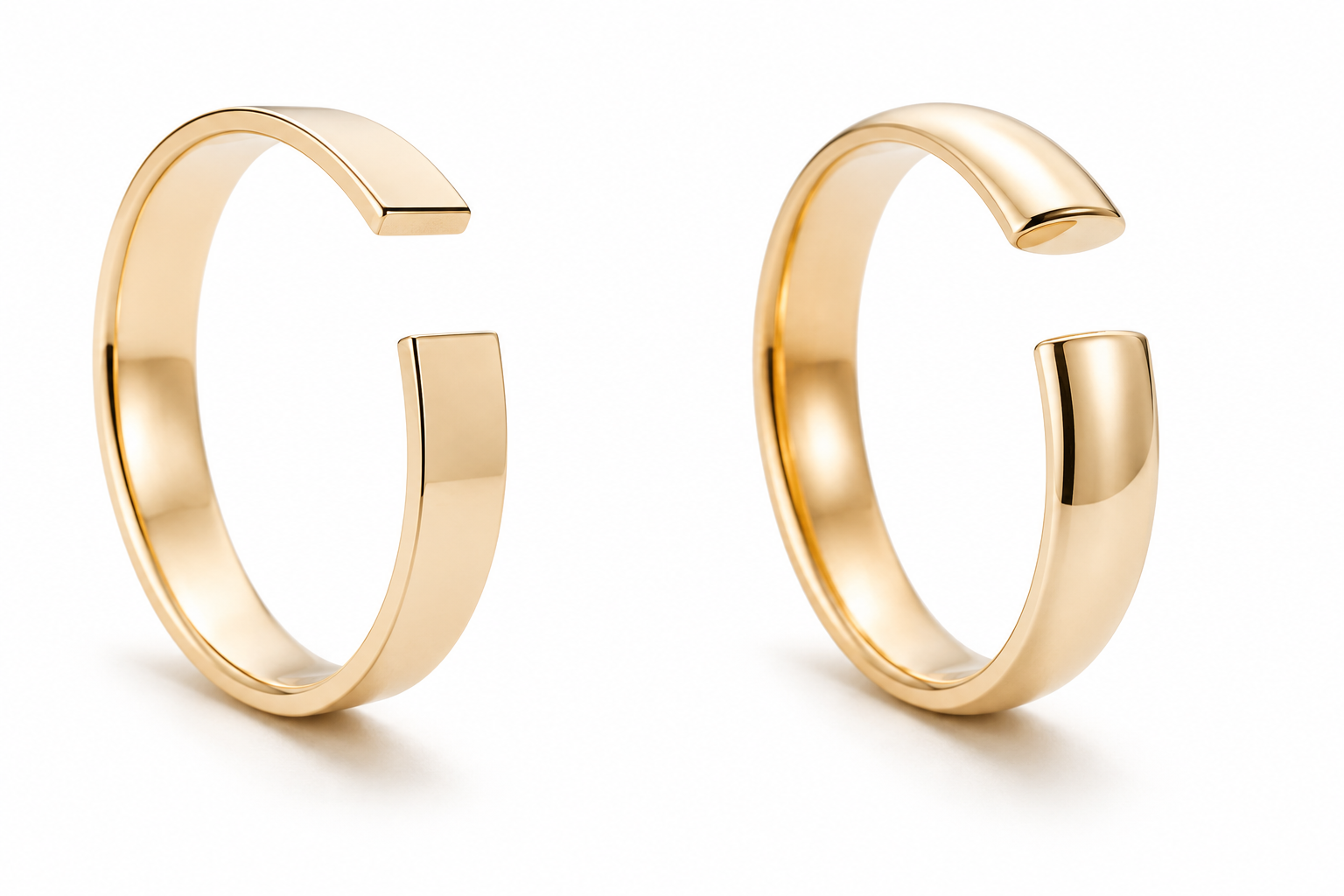
Width, thickness, profile, and fit all influence the final result. A wider band can feel and look very different from a narrow one, while the shape of the interior affects how the ring sits on the finger.
The metal is carefully formed to achieve these proportions while creating the foundation for the chosen design. Getting this stage right is important because even small differences can change the overall balance and comfort of the finished ring.
Shaping the Metal
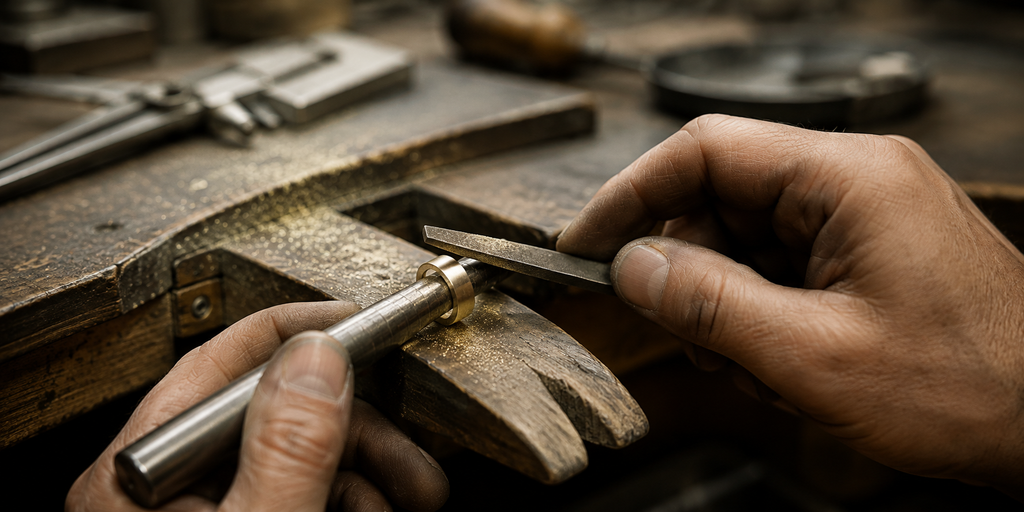
Once the proportions are established, the metal is shaped into the structure of the wedding band.
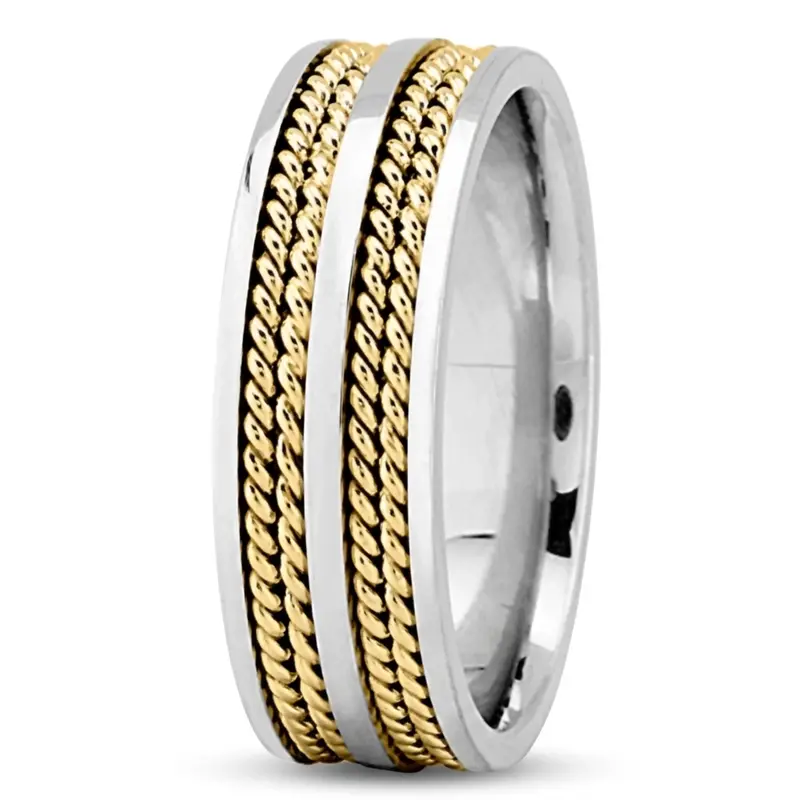
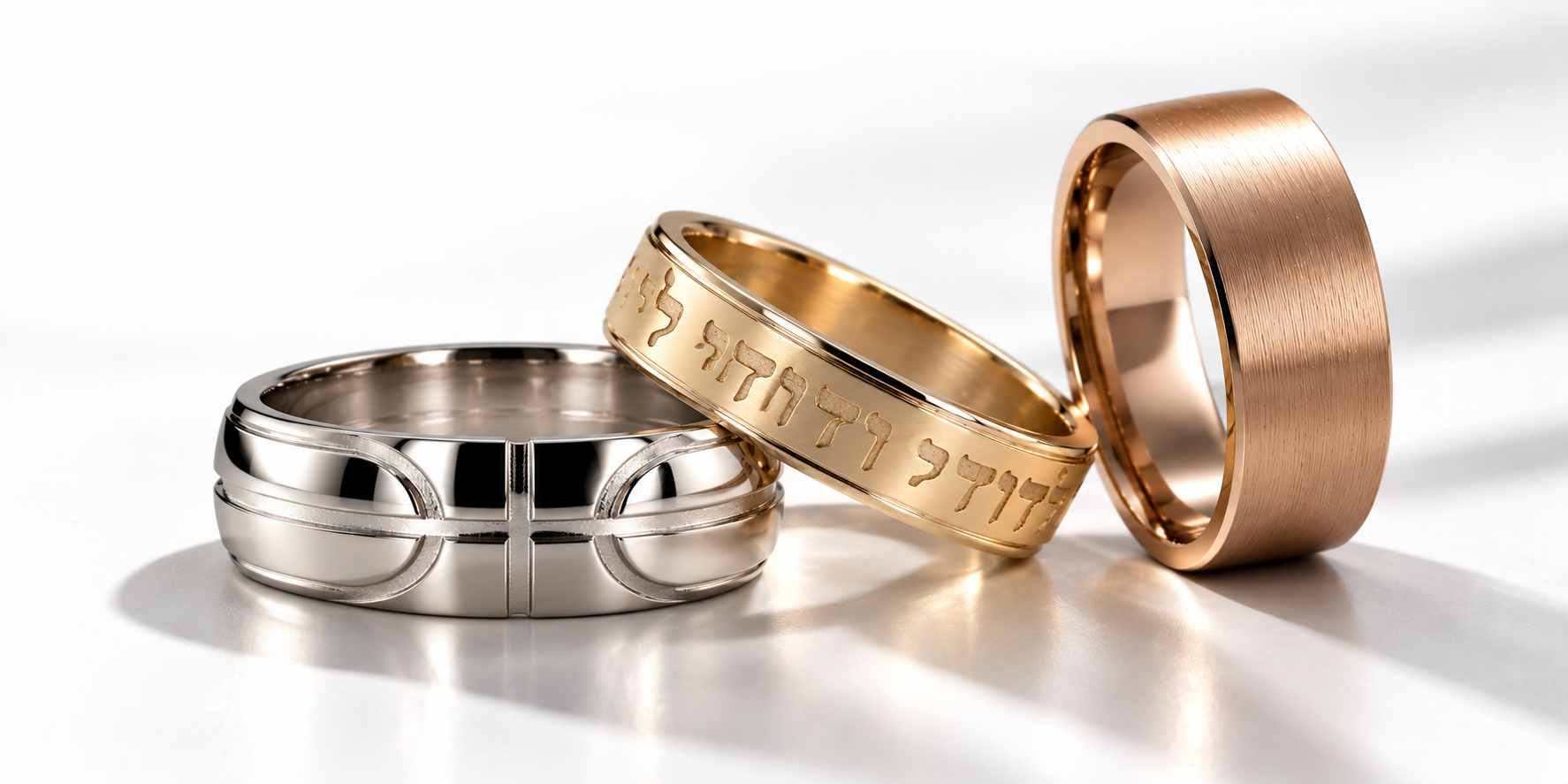
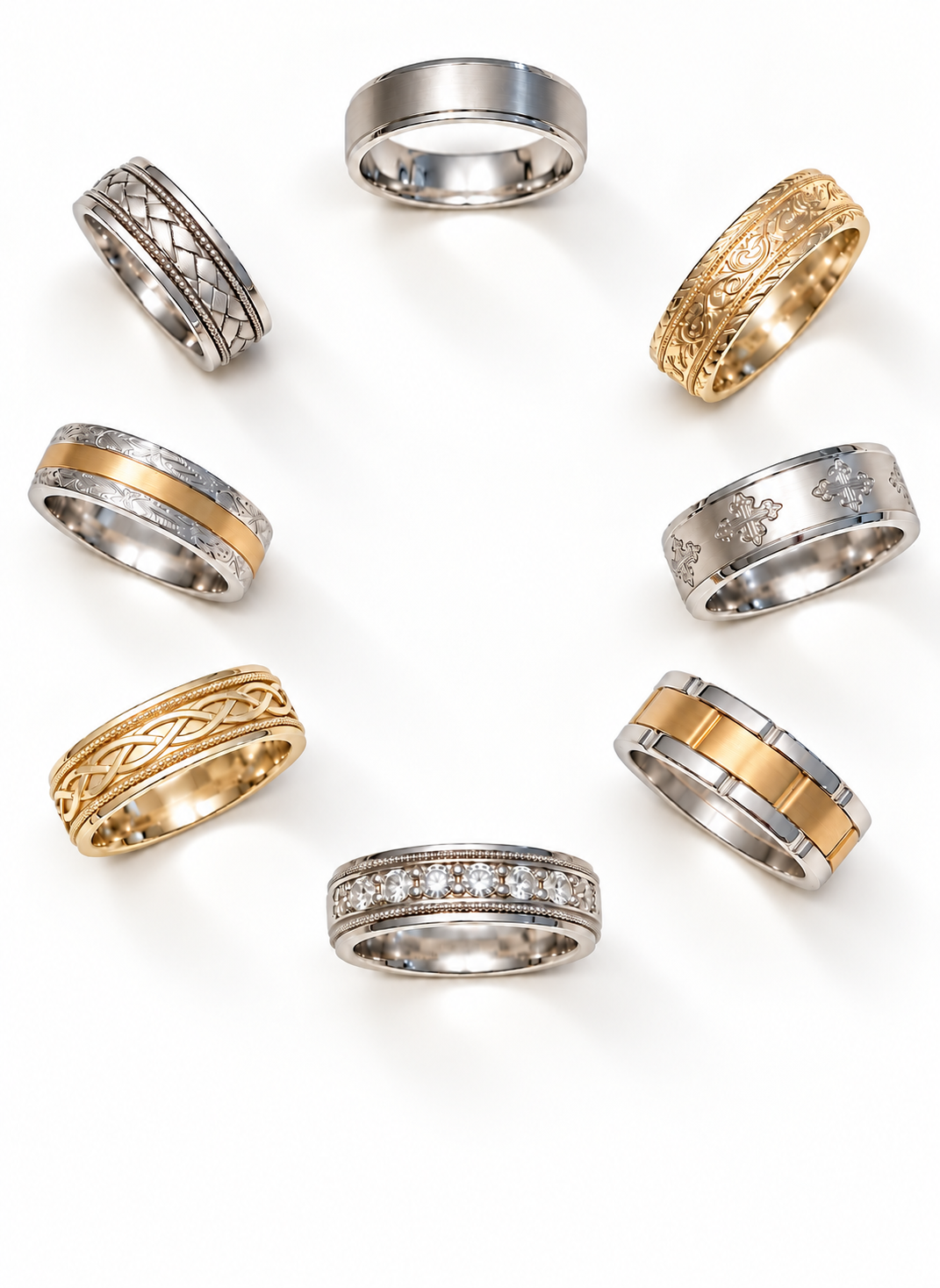
This is where the ring begins to take on its intended profile and design. Depending on the style, the band may have a flat or rounded surface, raised edges, grooves, multiple metal colors, or other structural elements.
Precision matters throughout this process. The goal is not only to create the design, but also to maintain consistent proportions around the entire band.
The Details That Give a Ring Character
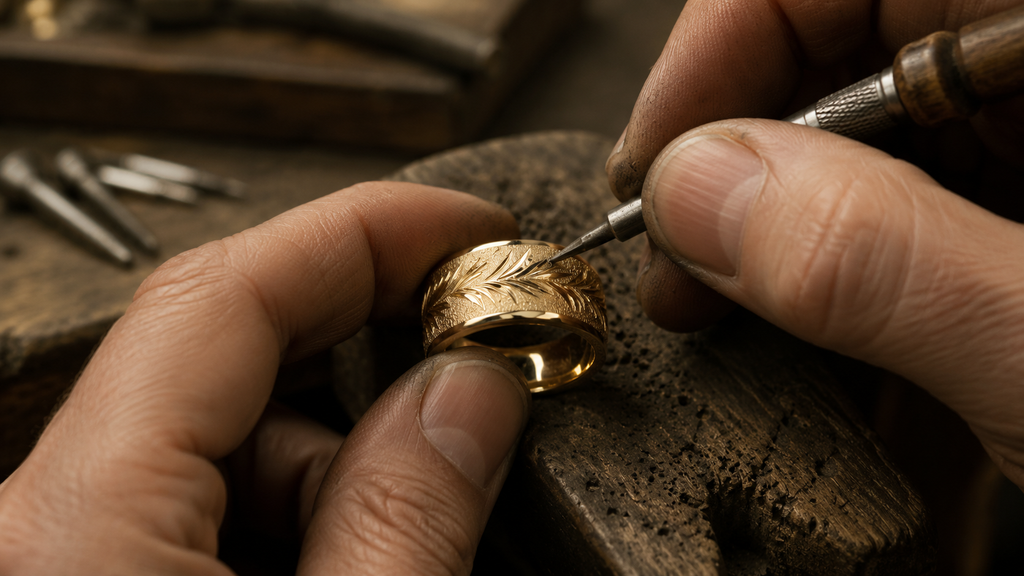
Some wedding bands are intentionally simple. Others include details that require additional craftsmanship.
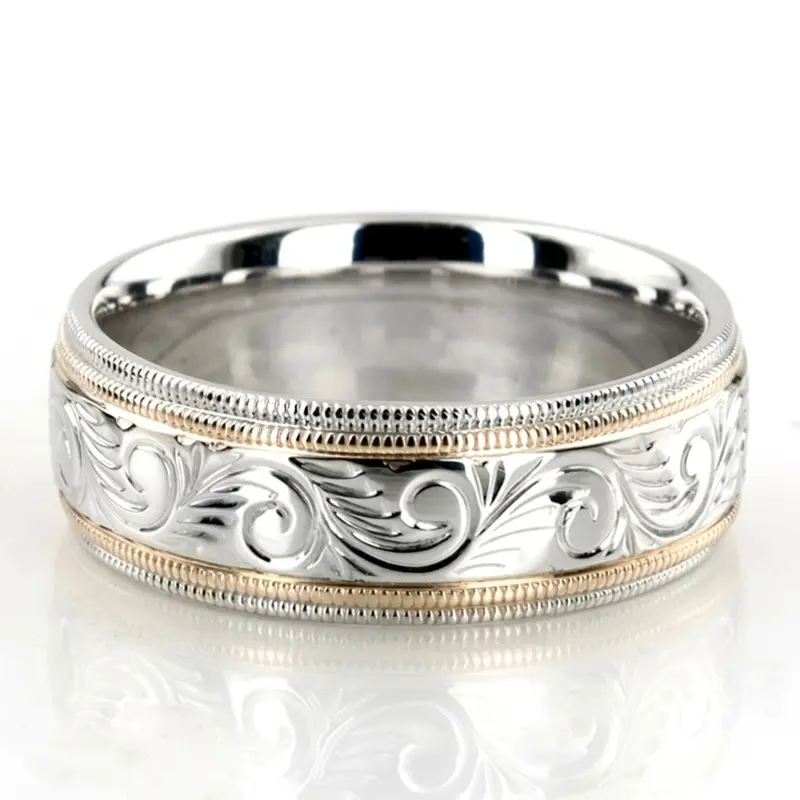
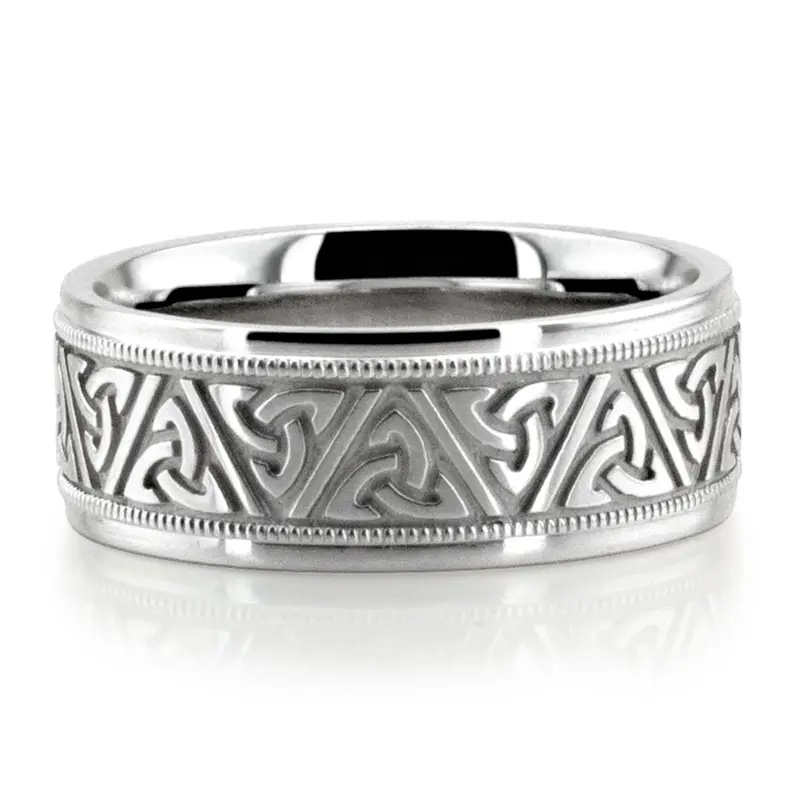
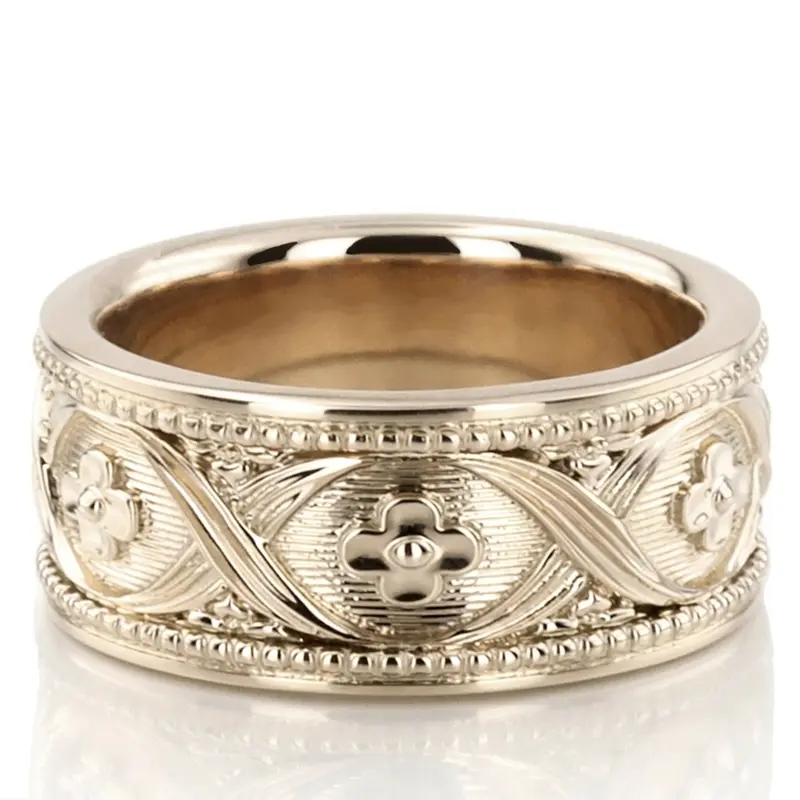
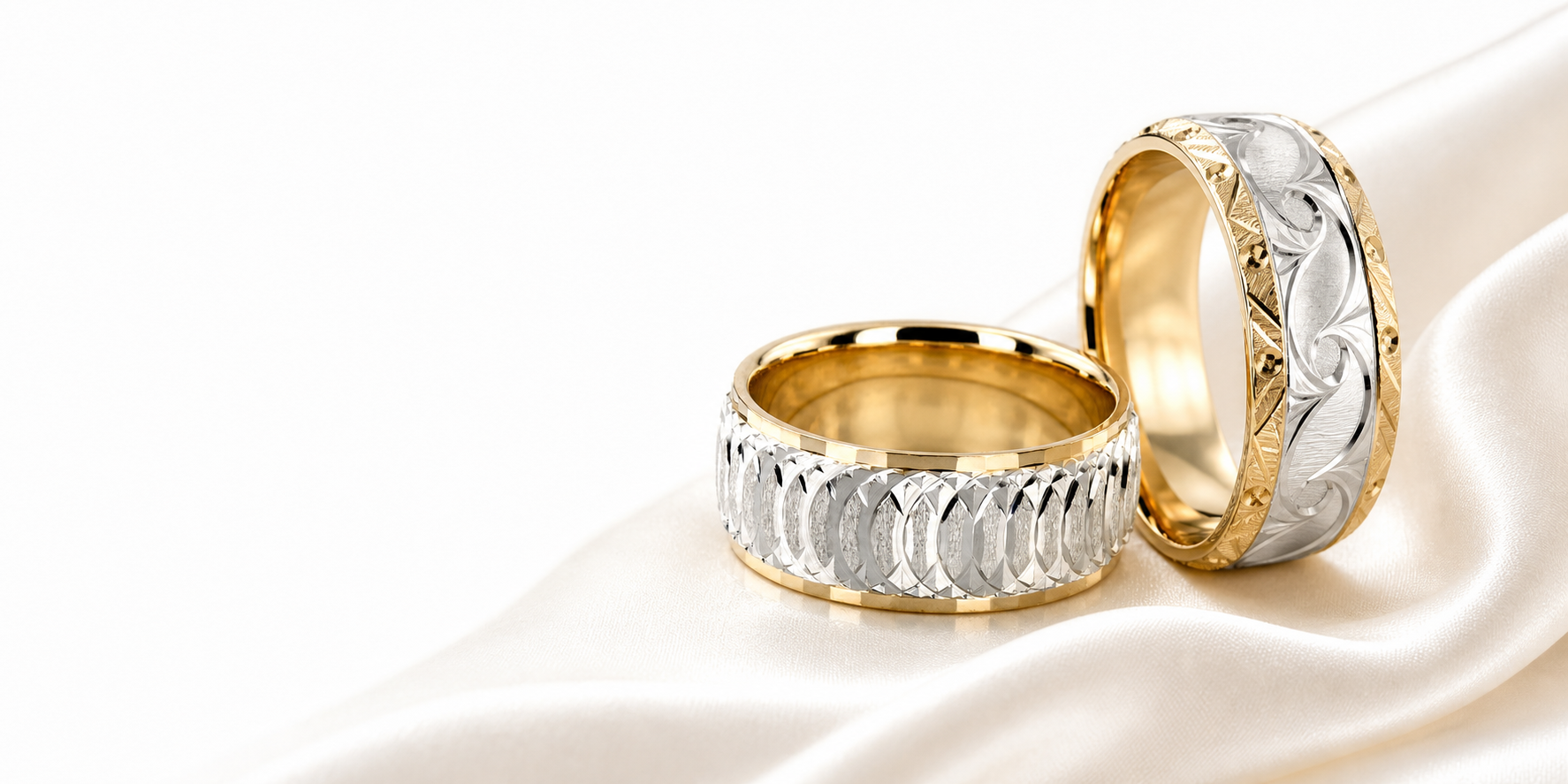
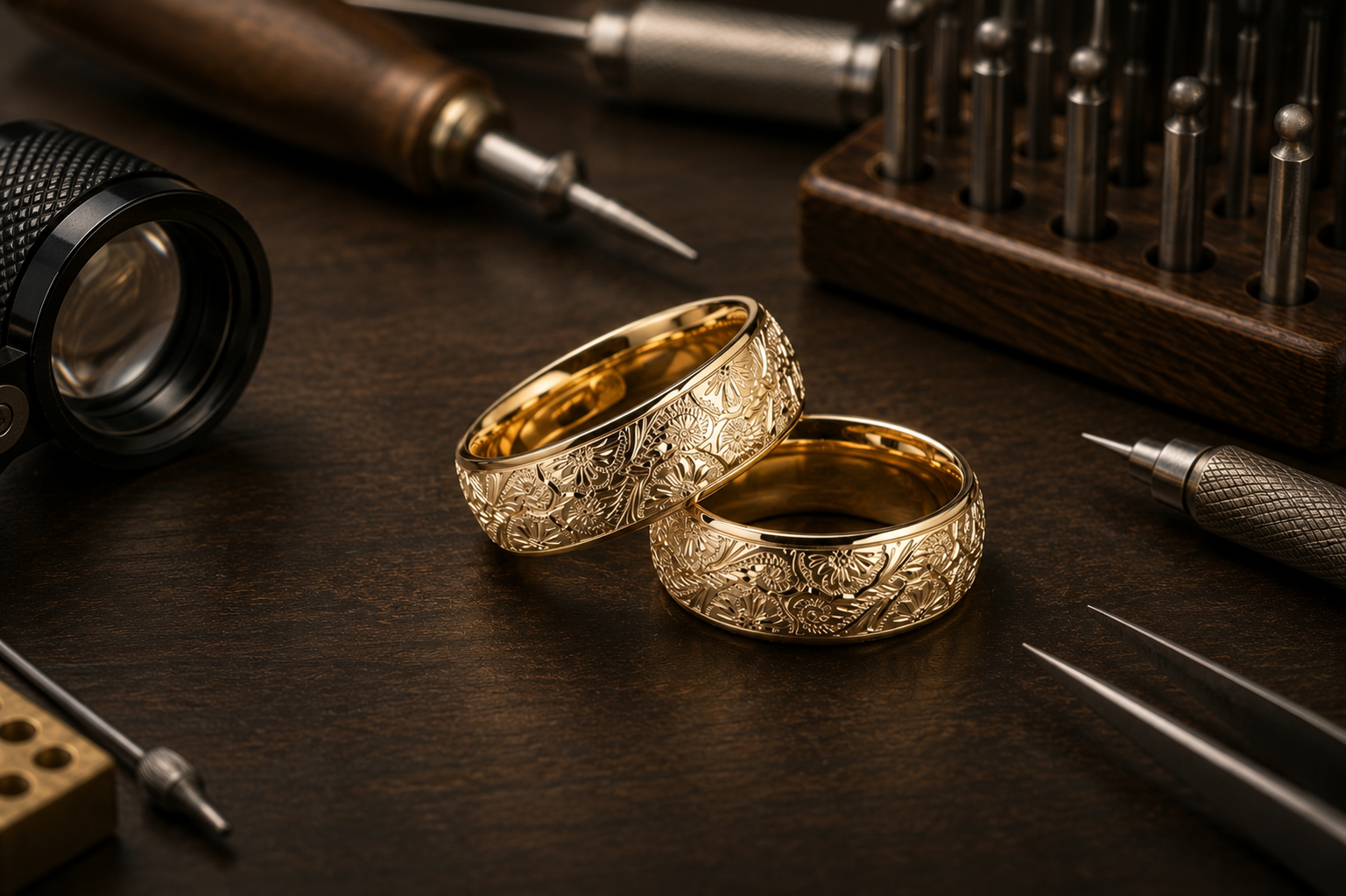
Engraving, milgrain, grooves, carved patterns, and stone settings can completely change the character of a ring. These elements require careful placement and consistency, especially when a pattern continues around the band.
For diamond wedding bands, stone setting adds another level of precision. Each diamond must be positioned securely while maintaining the intended spacing and overall design.
Finished by Hand
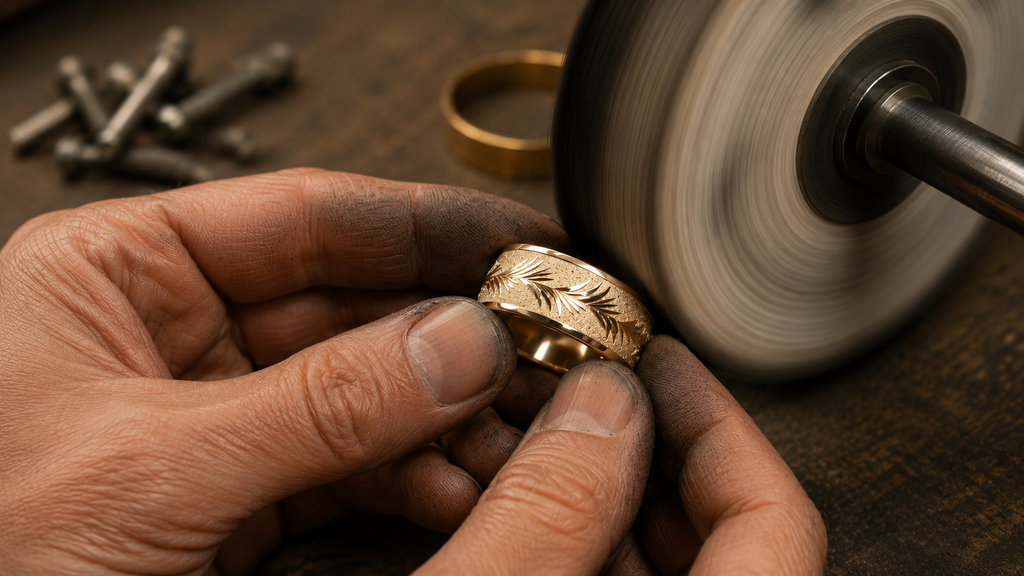
The finishing stage can dramatically change the appearance of a wedding band.
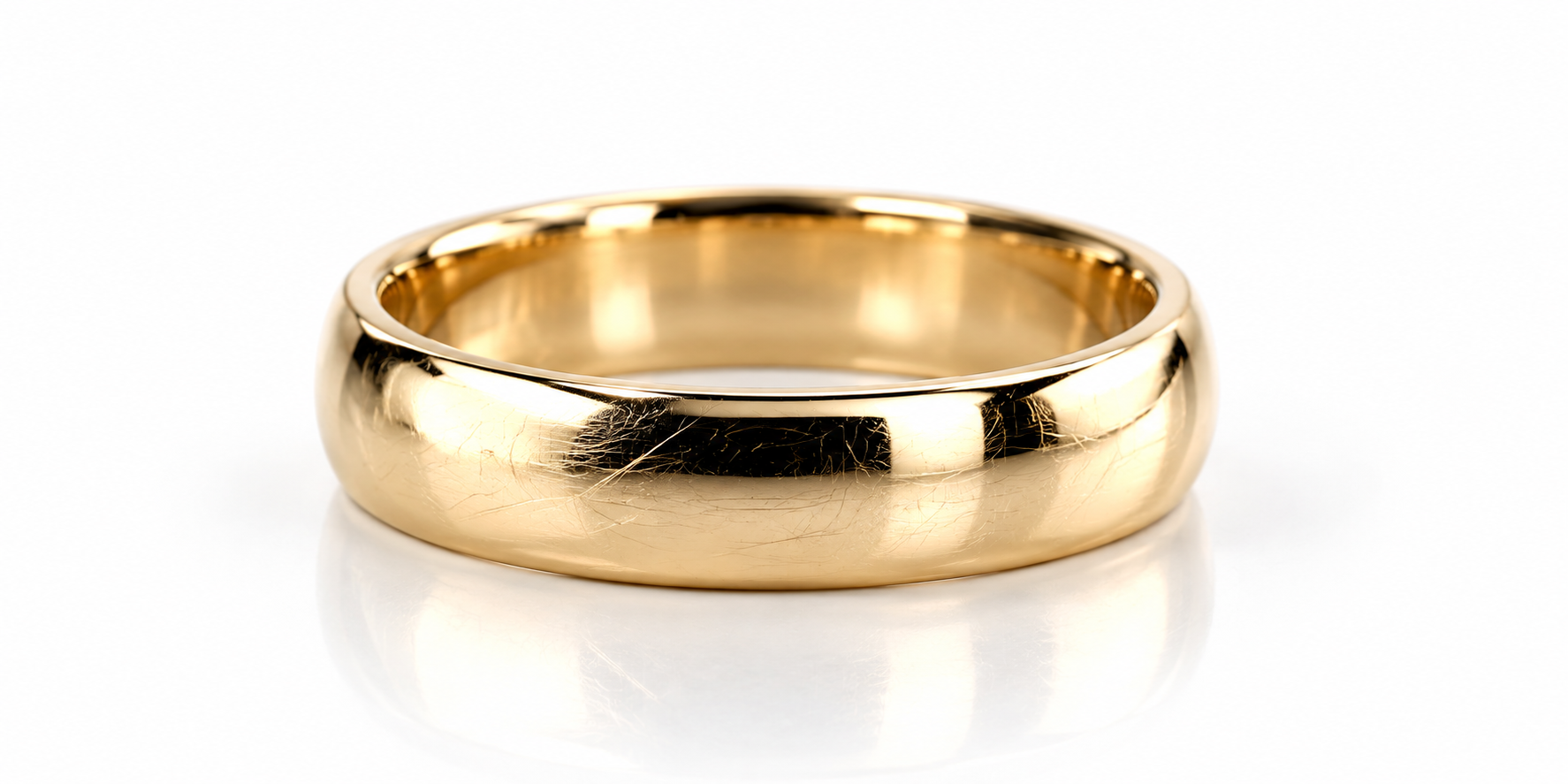
Every surface and edge is carefully refined by hand to create a smooth, consistent result. Depending on the design, the ring may receive a bright high-polish finish, a softer satin or matte surface, or a combination of finishes to create contrast.
This stage also affects how the ring feels. Smooth edges and a carefully finished interior contribute to the comfort of a band designed for everyday wear.
Final Inspection
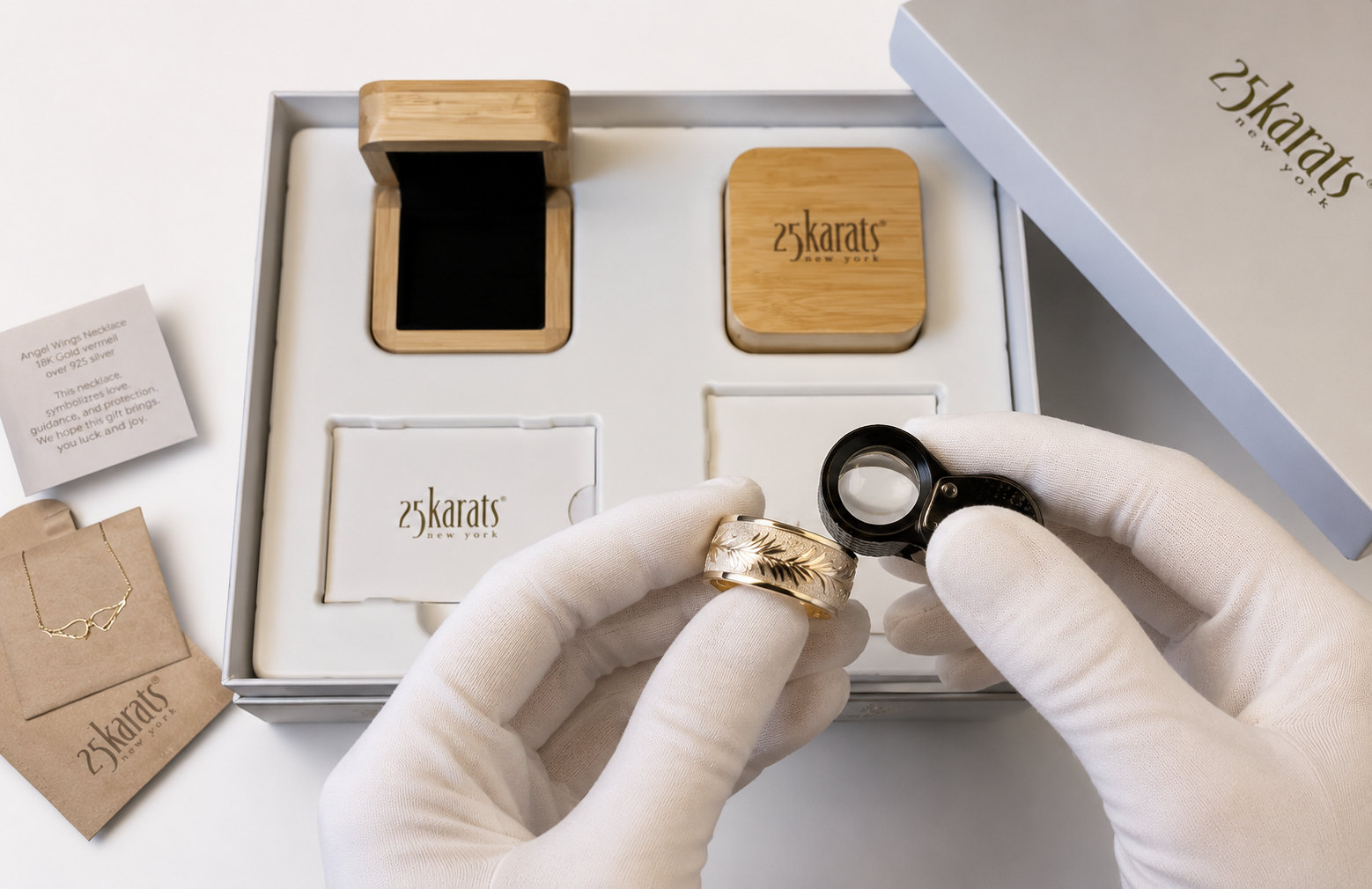
Before a wedding band is ready to leave our hands, it goes through a final inspection.
The finish, proportions, design details, and overall quality are carefully checked. For rings with diamonds or detailed craftsmanship, the setting and smaller design elements are inspected as well.
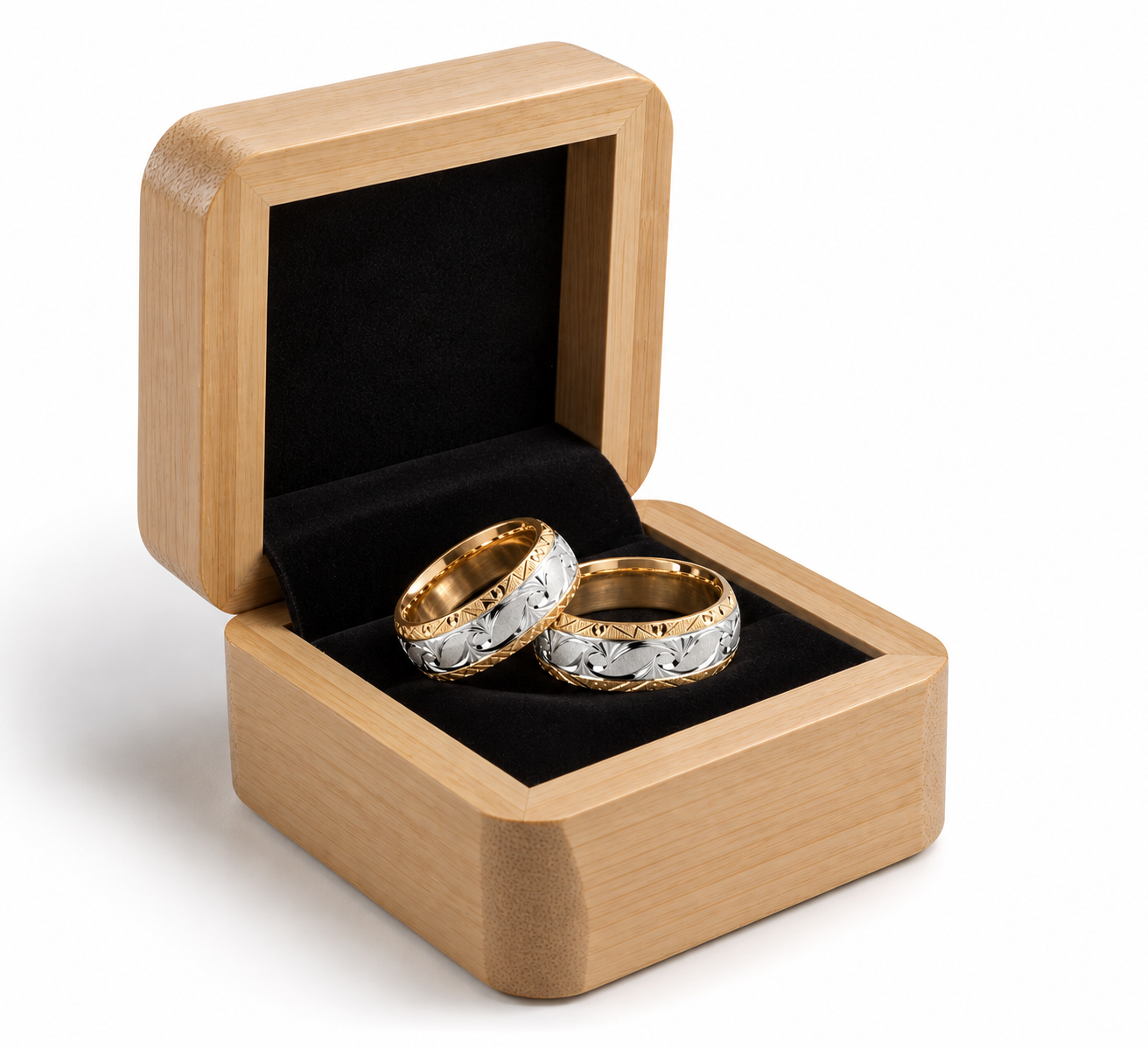
Only after this final review is the wedding band carefully prepared and boxed for its journey to you.
From Our Hands to Yours
Knowing how wedding bands are made makes it easier to see why craftsmanship matters. What may appear to be a small detail, from the consistency of a groove to the smoothness of an edge, can influence both the appearance and everyday experience of wearing the ring.
At 25karats, each wedding band is made with attention to proportion, comfort, precision, and the details that make the design your own.
Reviewed by
25karats Jewelry Specialists